
Berita
Berita
What Is A Physiotherapy Bed? Functions, Types, And Buying Guide
As a common medical device, physiotherapy beds play an important role in sports medicine treatment, daily relaxation, spinal massage, and wave bath massage. Whether for professional medical institutions or personal rehabilitation needs, choosing the right physiotherapy bed is directly related to treatment effectiveness and user experience. This article will detail the functions, types, and key purchasing points of physiotherapy beds to help you better understand this equipment.
I. What is a Physiotherapy Bed?
A physiotherapy bed is a medical device specifically designed to position patients for various physiotherapy treatments. Its core role is to assist in sports medicine treatment, spinal correction, relaxation massage, and other procedures through stable support and specific functions. Unlike ordinary beds, physiotherapy beds focus more on medical professionalism in structural design and functional configuration, capable of adjusting angles according to treatment needs, providing targeted physical intervention, and creating a safe and comfortable physiotherapy environment for patients.
II. What are the Core Functions of a Physiotherapy Bed?
High-quality physiotherapy beds usually have multiple practical functions to meet different physiotherapy needs:
- Acupressure Massage: Stimulates pressure points by simulating professional techniques to relieve muscle tension and promote local blood circulation;
- Thermal Moxibustion: Combines thermal therapy to help relax muscles, soothe joint stiffness, especially suitable for people with cold-damp or chronic pain;
- Spinal Correction: Assists in adjusting the physiological curvature of the spine through the curved design of the bed surface or adjustable support to improve posture problems;
- Massage and Manipulation: Provides manipulation functions with different intensities and modes, covering the neck, shoulders, lower back, limbs, etc., to achieve full-body relaxation;
- Beauty and Body Shaping: Some physiotherapy beds can also be used with beauty programs, assisting in shaping or skin care through specific angle support and gentle massage.
The combination of these functions can make the physiotherapy process more efficient while enhancing patient comfort.
III. What are the Common Types of Physiotherapy Beds?
According to different physiotherapy scenarios and needs, physiotherapy beds can be divided into the following categories:
- Traditional Chinese Medicine (TCM) Physiotherapy Beds: Focus on traditional Chinese medicine physiotherapy needs, such as acupuncture, massage, moxibustion, etc. The bed surface is usually flat and stable in load-bearing, facilitating the operation of TCM practitioners;
- Western Medicine Physiotherapy Beds: Mostly used in hospital rehabilitation departments or sports medicine centers, with a design that focuses more on functionality, possibly equipped with adjustable height, multi-angle tilting and other functions to adapt to modern physiotherapy methods such as electrotherapy and phototherapy;
- Rehabilitation Physiotherapy Beds: Targeted at post-operative rehabilitation or long-term bedridden patients, emphasizing support and safety, may include pressure ulcer prevention design, assisted getting up function, etc., to help patients gradually recover physical functions.
When choosing the type, it is necessary to combine the specific physiotherapy purpose and usage scenario to ensure that the equipment matches the needs.
IV. How to Choose a Suitable Physiotherapy Bed?
When purchasing a physiotherapy bed, it is necessary to comprehensively consider the following key dimensions:
1. Material: Balance Between Durability and Practicality
The material of the physiotherapy bed directly affects its service life and mobility. For example, aluminum alloy material has become the first choice for many users due to its light weight and strong load-bearing capacity—it is convenient for medical staff to adjust the position and can adapt to the needs of frequent movement; while wooden or high-density sponge materials pay more attention to comfort, suitable for physiotherapy scenarios that require long-term lying.
2. Size: Adapt to Space and Patient Body Type
The size should be selected based on the usage space and patient body type. Small physiotherapy beds are suitable for clinics or families with limited space, while large medical institutions may need wider and longer bed surfaces to meet the needs of patients with different heights and weights. At the same time, attention should also be paid to the flatness of the bed surface and the design of the edges to avoid patients bumping when turning over or moving.
3. Additional Functions: Choose on Demand, Avoid Redundancy
More additional functions are not necessarily better; it is necessary to judge based on actual physiotherapy needs. For example, rehabilitation patients may need the angle-adjustable function to facilitate postural training; while daily relaxation needs can focus on diversity of massage modes. Excessively pursuing functions may increase operational complexity and cost, so the selection should focus on core needs.
4. Patient's Specific Situation: Personalized Adaptation
The final choice needs to return to the patient themselves—age, physical condition, physiotherapy goals, etc., will all affect the needs. For example, elderly patients may need a lower bed surface and armrests to facilitate getting on and off the bed; while athlete rehabilitation may require higher load-bearing capacity and more precise spinal support functions.
Conclusion
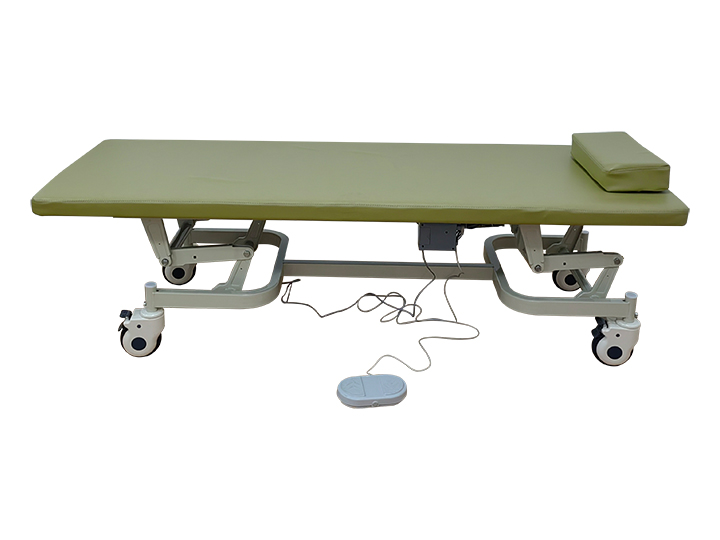
The physiotherapy bed is an important carrier connecting physiotherapy plans and treatment effects. The choice of its functions, types, and materials is directly related to user experience and rehabilitation efficiency. Whether purchasing for medical institutions or personal home use, it is recommended to comprehensively evaluate from dimensions such as material, size, and function based on actual needs, and choose a truly suitable product. It is hoped that this guide can help you have a clearer understanding of physiotherapy beds and make a wise choice.
Berita yang Direkomendasikan
-
Pemilihan dan skenario penggunaan tempat tidur lift rumah sakit
-
Analisis proses dan keterampilan praktis keperawatan bangsal mulai dari masuk hingga rehabilitasi
-
Karakteristik fungsional dan pemilihan diagnosis medis dan tempat pemeriksaan pengobatan
-
Tempat tidur rehabilitasi: kunci untuk meningkatkan kualitas perawatan bagi pasien yang terbaring di tempat tidur dalam jangka panjang
-
Teknologi perawatan lansia yang cerdas memberdayakan dan membuka era baru layanan perawatan lansia
-
Analisis fungsi dan tindakan pencegahan pemilihan tempat tidur pintar listrik
-
Pedoman pemilihan peralatan rehabilitasi dan analisis jenis umum
-
Analisis fungsi dan keterampilan pemilihan tempat tidur pendamping
-
Pengembangan perawatan lansia berbasis rumah yang cerdas dan berbasis komunitas
◇◇ Konten Terkait ◇◇
- Comprehensive Analysis Of Treatment Carts: A Guide To Selecting Key Equipment For Enhancing Medical Efficiency
- The Ultimate Guide To Electric Smart Beds: Feature Analysis And Buying Tips To Enhance Your Sleep Tech Experience
- Complete Guide To Purchasing And Using Manual Hospital Beds: Economical Medical Care Solutions
- Complete Guide To Choosing A Children's Hospital Bed: 7 Key Points To Help You Make An Informed Decision
- Ultimate Guide To Crib Safety: 10 Key Points For Your Baby's Safe Sleep
- What Is An Emergency Bed? Unveiling The Core Functions And Applications Of Key Medical Equipment In ICU, Emergency Departments, And Ambulances
- Transfer Cart: Key Equipment For Enhancing Logistics Efficiency And Selection Guide
- Home Care Beds: The Ideal Choice For Enhancing Quality And Comfort Of In-Home Care
- The Ultimate Guide To Surgical Operating Tables: Core Parameter Analysis And Professional Purchasing Strategy
◇◇ Produk Terkait ◇◇